
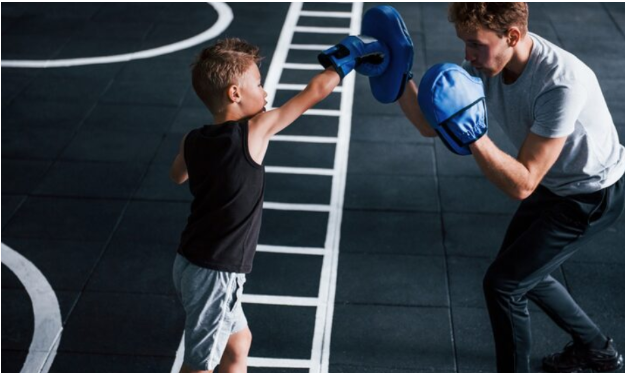

In der heutigen Zeit sind Kinder in vielen Lebensbereichen neuen Herausforderungen ausgesetzt. Neben schulischem Druck und sozialem Miteinander spielen auch Sicherheit und Selbstschutz eine immer größere Rolle. Eltern stellen sich daher zunehmend die Frage, wie sie ihre Kinder bestmöglich auf mögliche Konflikt- oder Gefahrensituationen vorbereiten können. Genau hier gewinnt das Thema Selbstverteidigung an Bedeutung, denn es vermittelt nicht nur körperliche Fähigkeiten, sondern auch mentale Stärke und Selbstvertrauen.
Die veränderte Lebenswelt von Kindern
Die Lebenswelt von Kindern hat sich in den letzten Jahren stark verändert. Digitale Medien, soziale Netzwerke und eine insgesamt schnelllebigere Gesellschaft führen dazu, dass Kinder früher mit unterschiedlichen sozialen Situationen konfrontiert werden. Diese Entwicklung bringt nicht nur Chancen, sondern auch Risiken mit sich. Mobbing in der Schule, Konflikte auf dem Pausenhof oder Unsicherheiten im öffentlichen Raum sind Beispiele, die Eltern zunehmend beschäftigen.
In diesem Kontext kann Selbstverteidigung helfen, Kindern ein Gefühl von Sicherheit zu geben. Es geht dabei nicht darum, Aggression zu fördern, sondern vielmehr darum, angemessen reagieren zu können und Gefahrensituationen richtig einzuschätzen.
Selbstverteidigung als Stärkung von Selbstbewusstsein
Ein zentraler Vorteil von Selbstverteidigung ist die Stärkung des Selbstbewusstseins. Kinder, die lernen, sich im Notfall zu behaupten, treten im Alltag oft sicherer auf. Sie entwickeln eine stärkere Körpersprache und wirken weniger verletzlich auf potenzielle Angreifer oder mobbende Mitschüler.
Durch regelmäßiges Training lernen Kinder außerdem, ihre eigenen Grenzen besser wahrzunehmen und diese klar zu kommunizieren. Dieses Bewusstsein wirkt sich positiv auf viele Lebensbereiche aus, etwa auf soziale Kontakte, schulische Leistungen und das allgemeine Wohlbefinden.
Körperliche Fitness und Reaktionsfähigkeit
Selbstverteidigung fördert nicht nur die mentale, sondern auch die körperliche Entwicklung von Kindern. Beweglichkeit, Koordination und Reaktionsfähigkeit werden gezielt trainiert. Diese Fähigkeiten sind nicht nur im Ernstfall wichtig, sondern unterstützen auch die allgemeine Gesundheit.
Kinder lernen, ihren Körper besser zu kontrollieren und sich in verschiedenen Situationen schnell und überlegt zu bewegen. Gleichzeitig wird die Konzentrationsfähigkeit verbessert, da viele Techniken Aufmerksamkeit und Präzision erfordern. Dadurch entsteht eine wertvolle Kombination aus körperlicher Aktivität und geistiger Schulung.
Verantwortung und richtiges Verhalten in Konfliktsituationen
Ein wichtiger Bestandteil moderner Selbstverteidigung ist das Erlernen von verantwortungsvollem Verhalten. Kinder sollen nicht zu aggressivem Verhalten erzogen werden, sondern vielmehr lernen, Konflikte zu vermeiden und deeskalierend zu handeln.
Sie verstehen, dass Selbstverteidigung immer das letzte Mittel sein sollte und dass es oft bessere Wege gibt, Konflikte zu lösen. Dazu gehören klare Kommunikation, das rechtzeitige Verlassen gefährlicher Situationen und das Einholen von Hilfe durch Erwachsene. Diese Fähigkeiten sind im Alltag von unschätzbarem Wert.
Psychologische Sicherheit und Stressbewältigung
Neben den physischen Aspekten spielt auch die psychologische Komponente eine große Rolle. Kinder, die Selbstverteidigung erlernen, fühlen sich weniger hilflos in potenziell bedrohlichen Situationen. Dieses Gefühl von Kontrolle reduziert Stress und Angst.
Sie entwickeln Strategien, um ruhig zu bleiben und klar zu denken, selbst wenn sie unter Druck stehen. Diese mentale Stärke hilft nicht nur in Gefahrensituationen, sondern auch im schulischen und sozialen Alltag, beispielsweise bei Prüfungen oder Konflikten mit Gleichaltrigen.
Fazit
Selbstverteidigung ist heute weit mehr als nur das Erlernen von Abwehrtechniken. Sie ist ein umfassendes Konzept zur Förderung von Selbstbewusstsein, körperlicher Fitness und mentaler Stärke. In einer zunehmend komplexen Welt hilft sie Kindern, sicherer und selbstständiger zu werden.
Eltern, die ihre Kinder frühzeitig mit den Grundlagen der Selbstverteidigung vertraut machen, geben ihnen ein wichtiges Werkzeug für ihr späteres Leben mit. Dabei steht nicht der Kampf im Vordergrund, sondern die Fähigkeit, Situationen richtig einzuschätzen, Gefahren zu vermeiden und im Ernstfall besonnen zu handeln.